
We spend a day with BBi Autosport in Huntington Beach, CA


We spend a day with BBi Autosport in Huntington Beach, CA

The Long Beach Grand Prix takes place every year on the famed Long Beach Street Circuit. The IMSA United Sportscar Championship race and Pirelli World Challenge series both host challenging sprint races at the Long Beach Grand Prix. Brembo Racing is a technical partner and supplier to the top teams competing in both series. Racing on street circuits pose several challenges to the teams as well as setting up a reliable brake package for the driver.
Street Circuits are challenging for teams for the following reasons:
– Limited track time for the drivers and teams to dial in car setup, hard on equipment (brakes, tires, dampers, etc…).
– Limitations in circuit grip levels due to dirt as well as pavement changes/bumps/curbs. The circuit’s grip level always changes thru the race weekend as different series run on the track adding different types of rubber directly on the racing line. This can affect car balance and brake performance overall.
– Passing opportunities are few as any type of contact means instantly being taken out of the race. It’s quite difficult for drivers take huge risks (and what risk are taken have to be precise & calculated) as there are concrete barriers which line the course and contact with these barriers can immediately take you out contention for the race win.
Having consistent, reliable brakes which offer the driver maximum control and modulation can give drivers a significant advantage in Turns 2, 9 and 11 where all the passing opportunities are under braking.
Street Circuits are demanding on the brake systems for the following reasons:
– Long High speed, high pressure brake zones which are generally “point and shoot”. Typical GT Cars hit 150-160 miles per hour in the main straight on Shoreline drive, braking down to 50 mph roughly. Driver confidence in the initial “attack” and brake “feel” without over-slowing the cars is important here.
– Bumpy road surface which is can make a driver brake early and spend more time on the brake pedal trailing off. (on motorsport ABS equipped GT cars, active use of the ABS can raise disc temperatures even more).
– Concrete barriers always limit effective airflow to the brakes causing the average disc temperature to be high (About 550-650 C on a Typical GT application).
– In categories where brake setup is “free or open to change”, teams always have to choose between having a higher thermal capacity setup versus running the lightest brakes as possible to help the driver have the competitive on-track advantage. The optimum balance of braking durability, reliability and performance is key.
Depending on the team’s desired direction, the team can choose the specific brake disc and friction options to suit their needs.
In the IMSA United Sportscar Race: Wayne Taylor Racing’s Daytona Prototype took overall honors equipped with Brembo Racing carbon-carbon brakes. In the GTLM class, the Risi Competizione Ferrari 458 GTLM finished a very competitive 2nd equipped with Brembo Racing brakes.
In the Pirelli World Challenge race: All the podium finishing cars were equipped with Brembo Racing brakes (Winner – R.Ferri 458 GT3, Runner Up – Dyson Racing Bentley GT3, and third place – Effort Racing Porsche 997 GT3R)
Photos: NH512 Photo, Nicolas Hur
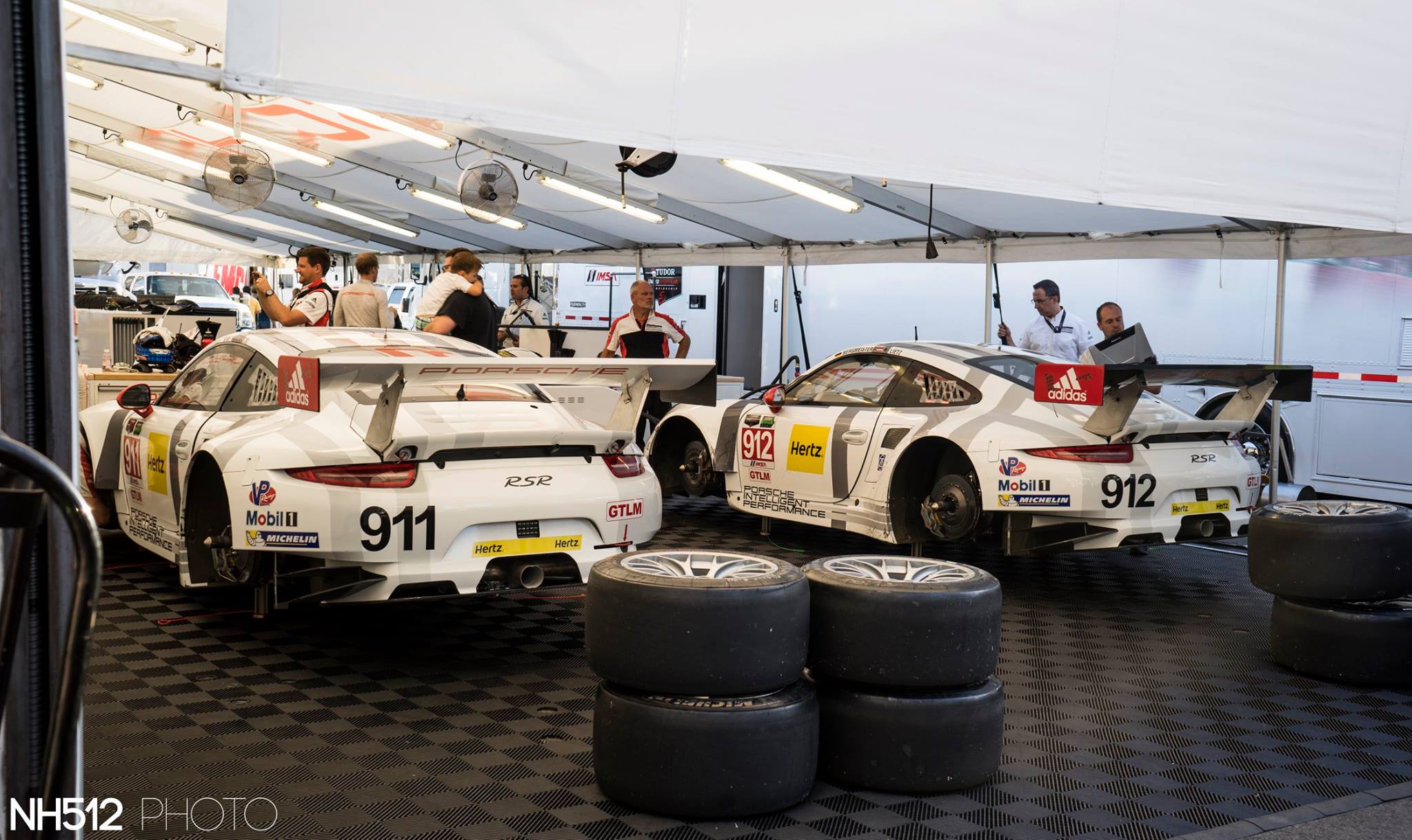
CORE Autosport Porsche 991 RSR equipped with Brembo Racing brakes.
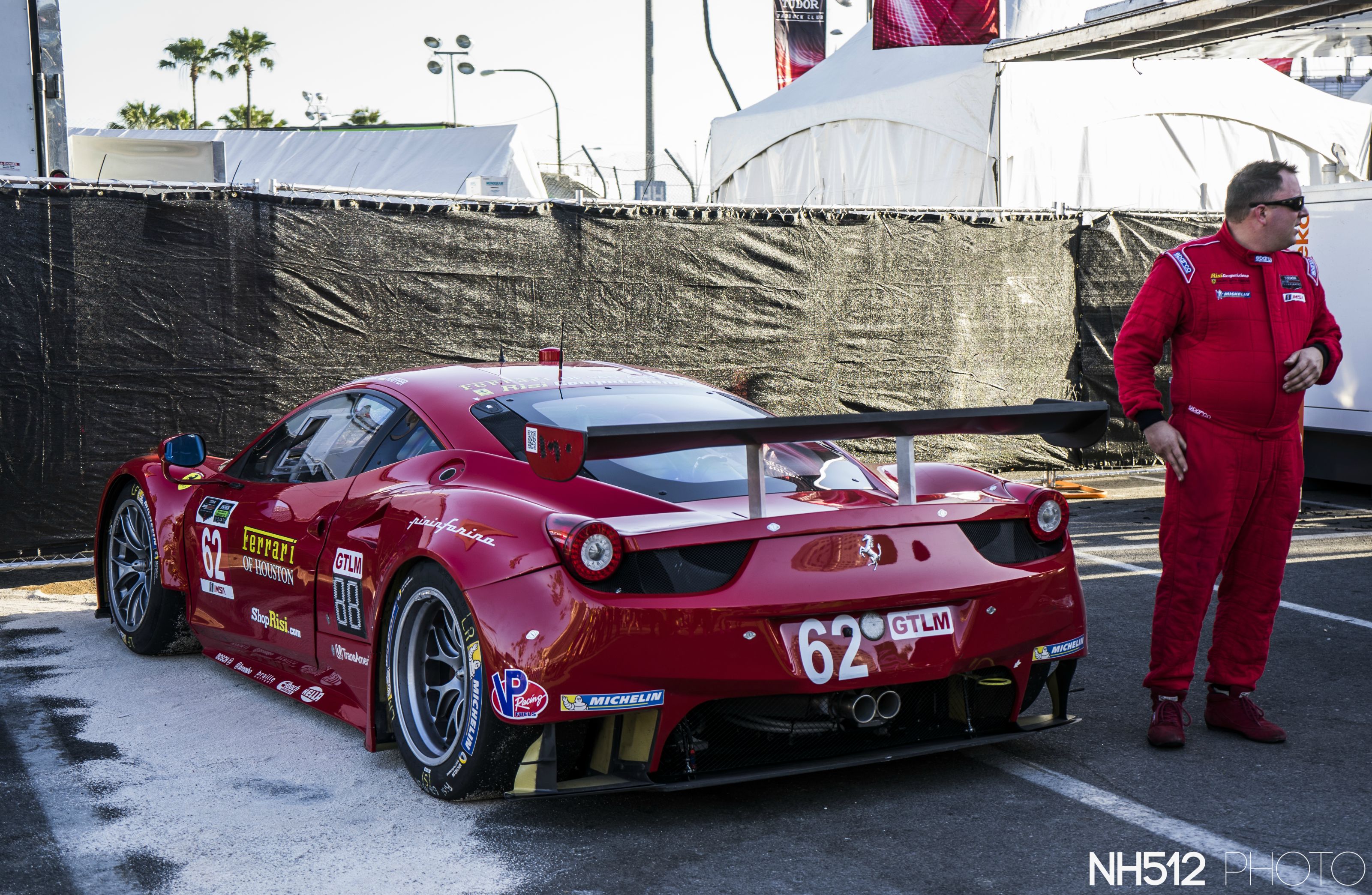
Risi Competizione Ferrari 458 GTLM/GTE equipped with Brembo racing brakes.
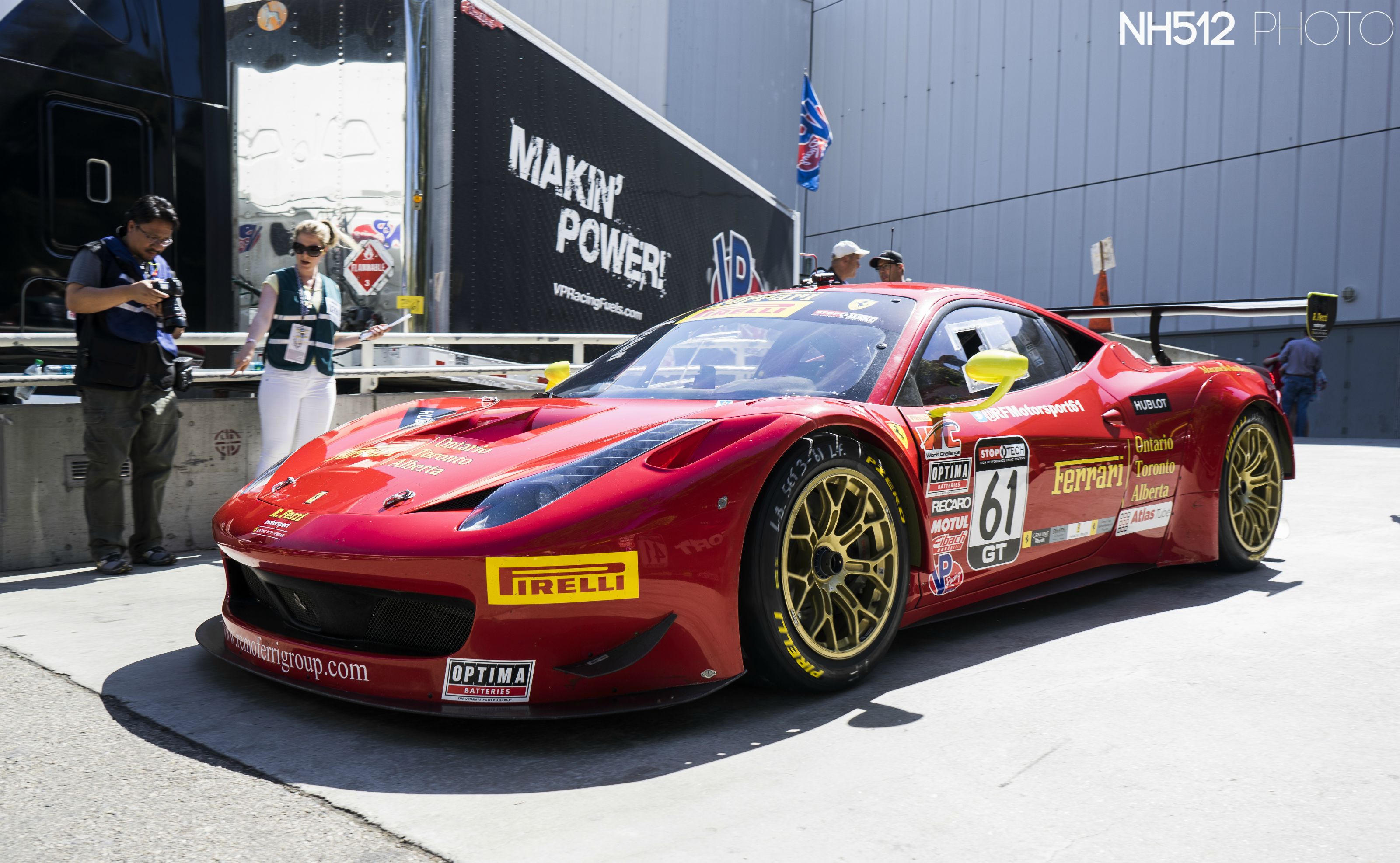
R.Ferri Motorsport Ferrari 458 GT3 equipped with Brembo Racing brakes.
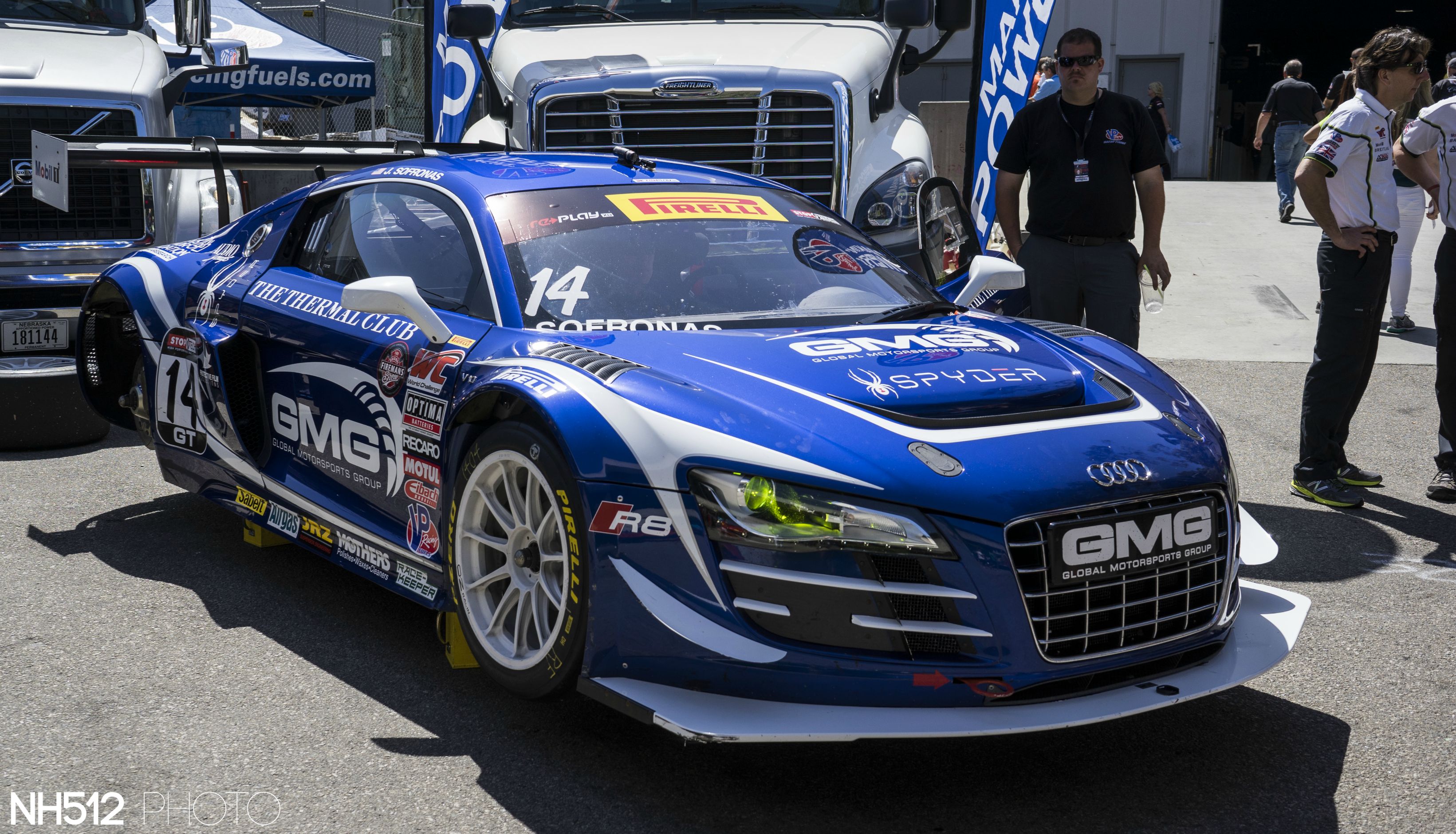
GMG Racing Audi R8 LMS, Equipped with Brembo brakes and Sabelt harnesses

AIM Autosport Nissan Nismo GTR GT3, equipped with Brembo Racing brakes.
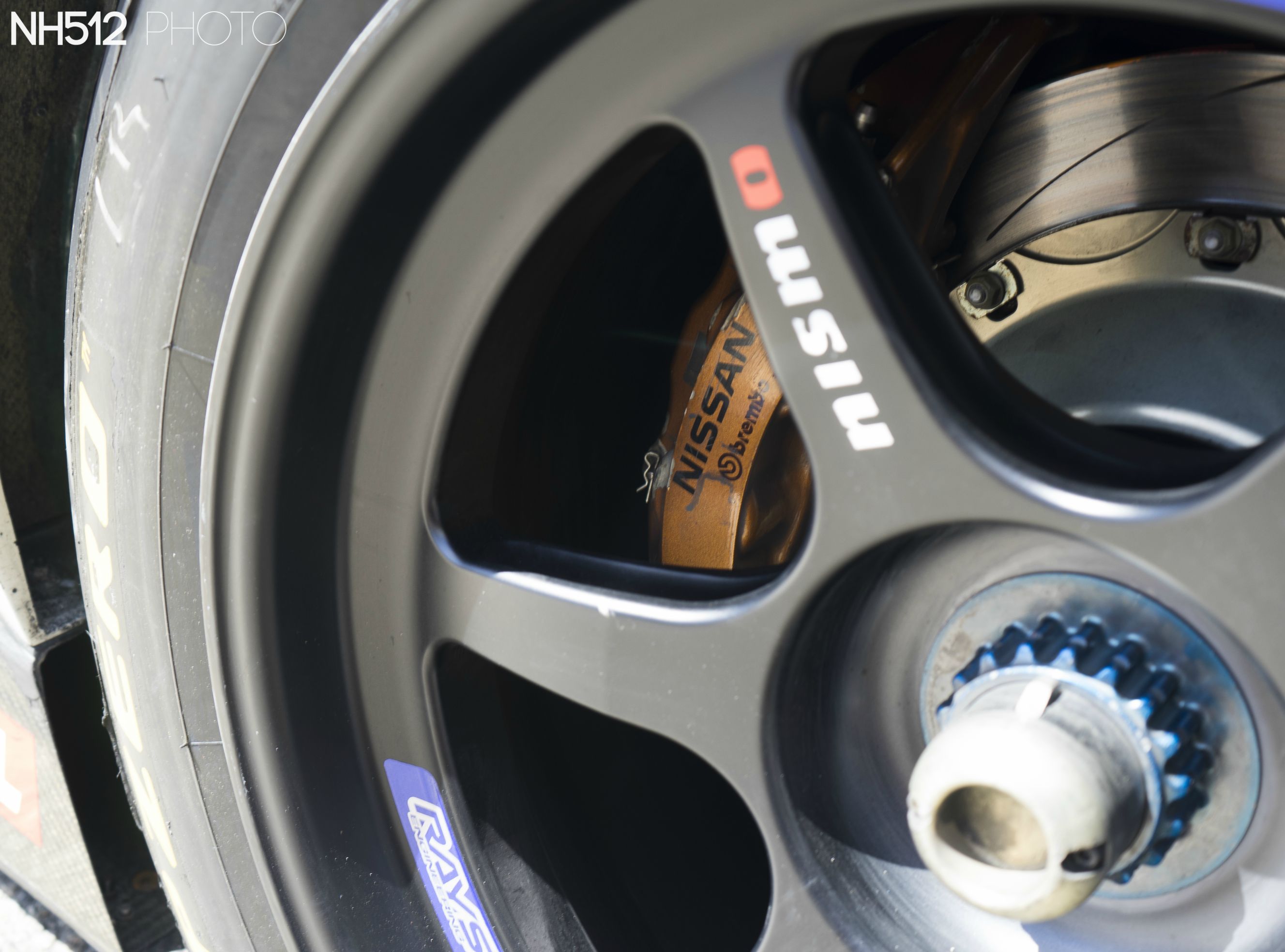
AIM Autosport Nissan Nismo R35 GT3, equipped with OEM Brembo rear brake calipers.

AIM Autosport Nissan Nismo R35 GT3, equipped with Brembo Racing front brakes and Type III sprint discs.

List below are a couple random systems that compare the approximate weights of a Brembo Performance GT system vs. the O.E. (Original Equipment) components from various makes and models.
In many cases a Brembo Performance system has a weight savings over OE brake systems even though the Brembo Performance system utilizes multi-piston calipers and often times larger diameter discs.
A Brembo Performance GT/GT-R big brake system is commonly comprised of:
Caliper
Either a 2-piece aluminum alloy, monoblock aluminum alloy, or
billet monobloc aluminum alloy caliper
Brake Pads
typically 2 to 4 pads per caliper
Rotor/Disc
1-piece rotor
– or –
2-piece disc with billet aluminum center and outer iron disc
Brake lines
typically 2-lines per axle set
Mounting brackets
typically 2 billet brackets
1st Comparison

This is a weight comparison of the factory Porsche 911/996TT (above image)
1-piece rotor (330mm)
VS.
Brembo Performance GT 355mm
2-piece disc which is roughly 6% larger.
The GT 6-piston caliper is approximately 7.5lbs.
2nd Comparison (just OE weights)


The weights of a used O.E. BMW M3 (E90/92) brake system
Caliper (F)
O.E: 7.6/11.8 lbs w/bracket, Brembo: 7.75 lbs w/o bracket
(R) 9.2 lbs
Pads: 2.0/1.6 lbs
Front: 1-piece disc: 22.6 lbs
Rear: 1-piece disc: 20.2 lbs
3rd Comparison

A used Honda Civic Si (EK) steel sliding caliper, pads, line, and 10.2″/260mm rotor
weighs approx: 21.7 lbs
VS.
Compare that to the total weight of this Lamborghini rear system which is:
approx. 24.17 lbs total.
broken down by component:
it’s 15.94 lbs for the 14″ disc and
roughly 8.24 lbs for the forged monobloc racing caliper (w/pads).

Lamborghini rear brake system (above)
4th Comparison
 Sharkwerks Comparing Brembo Performance vs. an OE 2013 991 Porsche Carrera S brake system
CALIPERS:
FRONT: Brembo Performance, 6-piston monobloc, 12.10 lbs vs. the Porsche OE 6-piston caliper, 11.44 lbs
REAR: Brembo Performance, 4-piston monobloc, 9.44 lbs vs. Porsche OE 4-piston caliper, 8.08 lbs
DISC/ROTOR:
FRONT: Brembo Performance,2-piece 380mm (15″) disc, vs. the Porsche 1-piece rotor ( ) 23.8 lbs
REAR: Brembo Performance, 2-piece 380mm (15″) disc, 17.1 lbs vs. the Porsche 1-piece rotor ( ) 19.7 lbs
Full article here on Sharkwerks.com
Than there’s carbon ceramic, for the ultimate in weight savings

Mike either has a strong finger or this Brembo CCM-R (carbon ceramic for street/track/racing) disc is nearly half the weight of iron.

Upgrading brake fluid for spirited, track or racing use is easily one of the most overlooked things when thinking of upgrading any component or part of the brake system.
Brake fluid performs a very critical function as it is the “life blood” of the brake system, as it is the foundation to hydraulically transfer brake pedal effort to the brake caliper’s pistons. Brake fluid also performs a vital function of lubricating caliper piston seals Brake fluid performance (or the lack of) can directly affect brake pedal feel, pressure and consistency through the operating temperature range. It is also one the most cost effective ways to improve brake pedal consistency (avoiding spongy pedal) under high temperature use.
Dry Boiling Point – Top professional racing teams purchase brake fluid based on several variables that include but are not limited to: dry boiling point, compressibility, viscosity, pedal feel, consistency, and its ability to recover after boiling. While dry boiling point is important, a lot of performance gain can be had from a fluid which has strengths in a lower fluid compressibility.
Most of the dry boiling points* of the top racing brake fluids sold to professional motorsport teams are rated very high so to have substantial gains in fluid performance, other factors can be the focus of development.
* NOTE: The only way to verify the exact boiling point of a brake fluid is to test it in a fluid lab as there is no industry wide standardized testing for fluid. To properly compare fluids and have accurate results: the test has to be done at the same lab, with exactly the same environment and conditions.
Compressibility/Viscosity – A brake fluid with low compressibility offers a more positive pedal feel which is more consistent during brake applications.
Recovery – The fluid’s ability to recover to its most optimal performance after boiling is a crucial factor in brake fluid performance.
Street Use – Most professional racing fluids are not suitable and/or approved for street. The Brembo LCF600+ is DOT approved and is suitable for street and track use.
Brembo Racing brake fluids are proven motorsport brake fluids with low compressibility, high boiling points, even under the highest temperatures and demanding conditions.
Brembo LCF600 Plus Typical Applications: Open Wheel, Stock Car, Rally, Endurance & Sprint GT**, Track Day
**Brembo HTC64T and LCF600 Plus are both racing brake fluids which are actively used and homologated for FIA GT3 & GTE based sports-car racing.
– Independently proven low Compressibility at severe temperatures.
– Dry Boiling Point: 316 C (601 F)
– Wet Boiling Point: 204 C (399 F)
– Exceeds requirements of U.S. FMVSS 116 DOT 4
– MSRP: $19.95 / 500mL bottle

Brembo Racing LCF600 Plus – 500mL
– Brembo Racing fluids can be mixed with other DOT 3 and DOT 4 racing brake fluids. For the best performance, a full flush with Brembo Racing fluid must be performed.
– Brembo Racing LCF600 Plus and HTC64T must not be used in Brake systems containing magnesium parts.
Brembo HTC64T Typical Applications: Open Wheel*, Stock Car, Rally, Endurance & Sprint GT**, Track Day.
*Brembo HTC64T is one of a very few select fluids being actively used by F1 teams.
**Brembo HTC64T and LCF600 Plus are both racing brake fluids which are actively used and homologated for FIA GT3 & GTE based sports-car racing.
– Independently proven low Compressibility at severe temperatures.
– Dry Boiling Point: 335 C (635 F)
– Racing Use Only
– MSRP: $ 36.00 / 500mL bottle

Brembo Racing HTC64T – 500mL
– Brembo Racing fluids can be mixed with other DOT 3 and DOT 4 racing brake fluids. For the best performance, a full flush with Brembo Racing fluid must be performed.
– Brembo Racing LCF600+ and HTC64T must not be used in Brake systems containing magnesium parts.
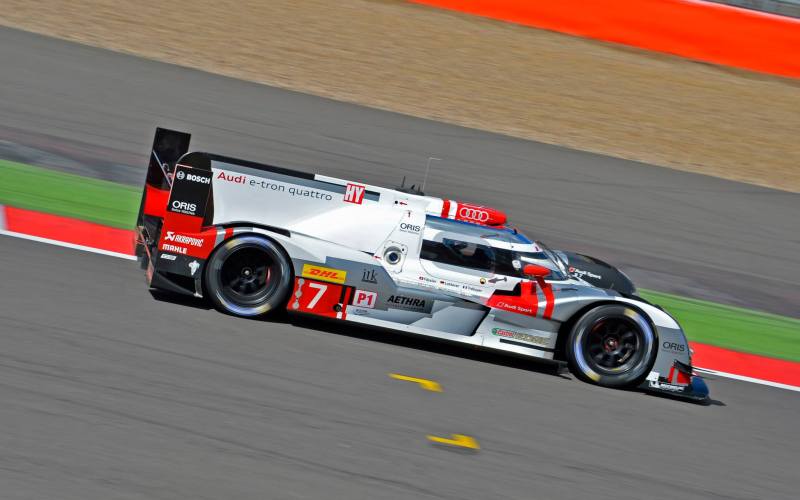
The opening round for the 2015 FIA WEC Championship was a very close 6 hour endurance race at Silverstone which saw great results for Brembo brake equipped teams in the factory LMP and GT classes.
LMP1:
Both Audi and Porsche LMP1 Prototypes were equipped with Brembo Racing carbon-carbon brakes.
– Brembo’s specific carbon-carbon materials can give the drivers better feedback, control and modulation over other tested materials.
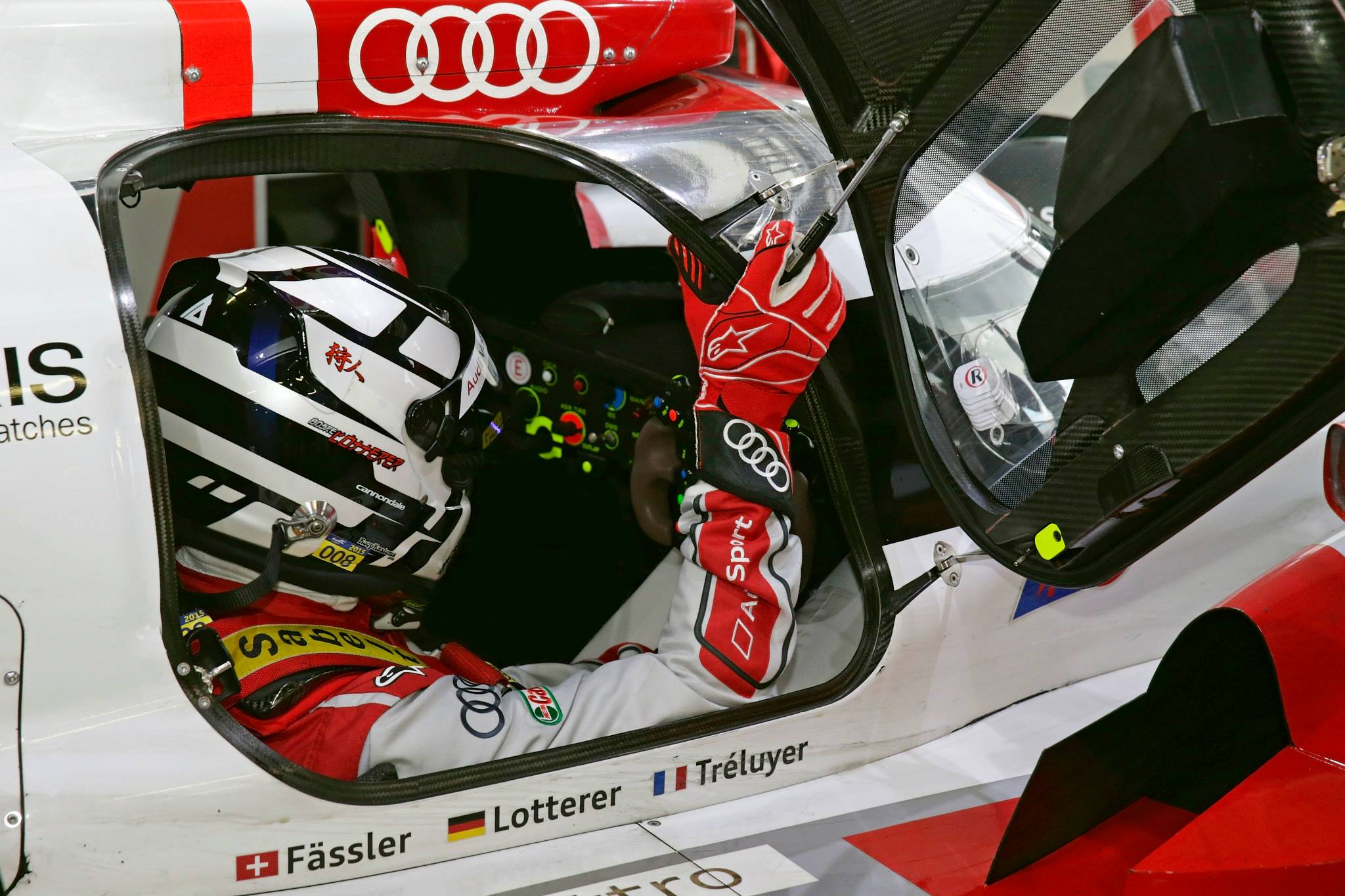
Audi and Porsche LMP1 cars were also equipped with Sabelt harnesses. (Sabelt, a technology leader in safety equipment, is part of the Brembo group).
– Sabelt aluminum adjusters that Audi Sport are using were optimized using FEA (Finite Element Analysis). This process allows for maximum weight reduction without compromising on strength.
LM GTE – Pro
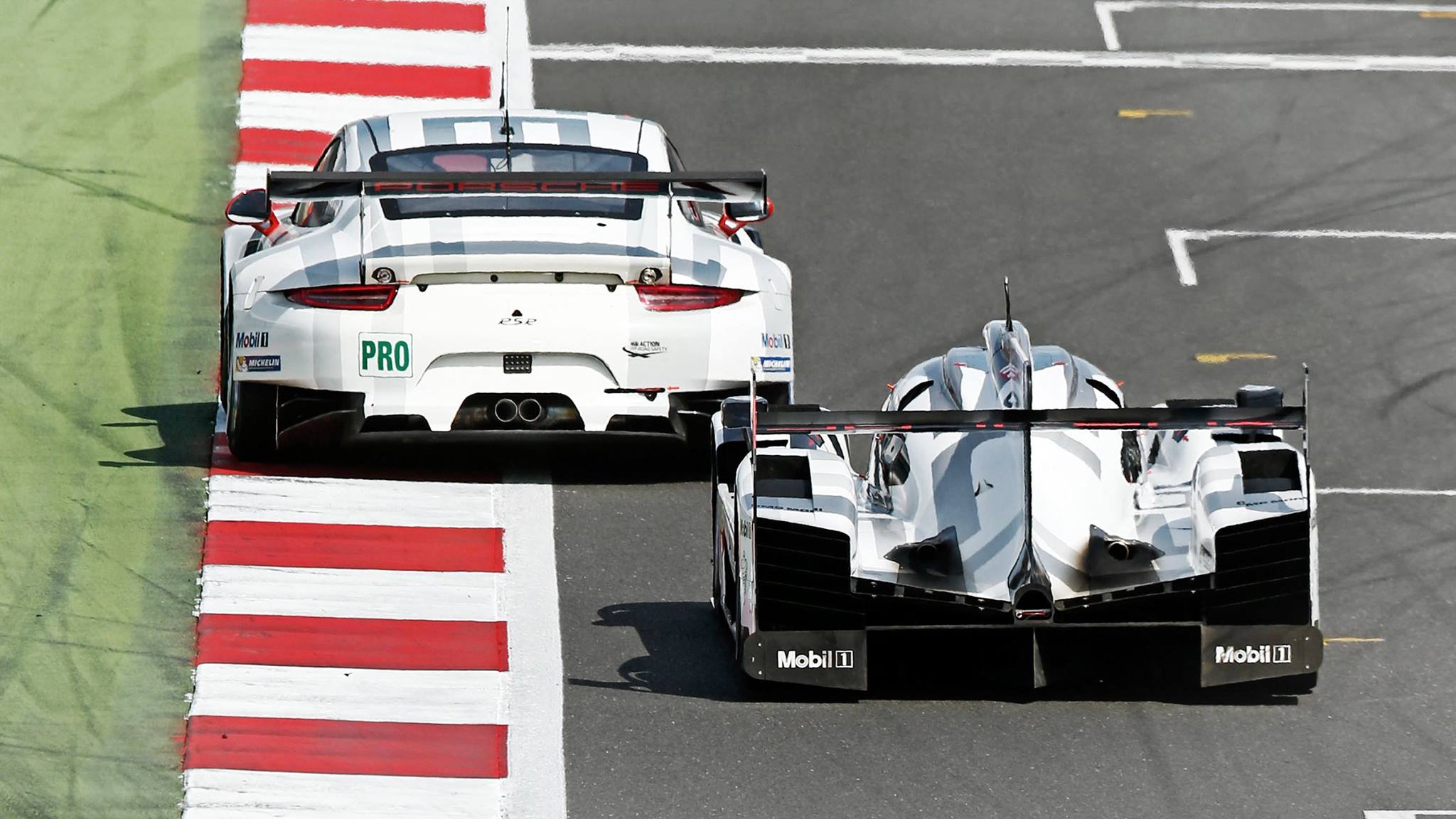
The Ferrari 458 Italia GTE and Porsche 911 RSR is equipped with Brembo Racing cast iron brake systems (Calipers & Brake discs).
The FIA World Endurance Championship (WEC) is starting to become the leading series by many car manufacturers and their technical partners to showcase new technologies in the LMP (Le Man Prototype) & GT (Grand Touring) Classes. The FIA WEC features endurance races (including the 24 hours of Le Mans) and is a global series racing at challenging circuits in the United States, Europe, Asia and the Middle East.
Stiff competition between factory run and private customer teams in all the classes means the top teams work with only the best technical partners to have the most competitive advantage.
Photo Credits: Porsche, Audi Sport
Audi Sport R18 E-Tron Quattro


Porsche 919 Hybrid & 911 RSR




Copy by Rebel Off-Road (Facebook link)
“Have you ever wondered what your JK would drive like with a powerplant straight out of muscle car? Or possibly with a suspension and drivetrain system built for any terrain across 7 continents? Or maybe even the latest luxury equipment to make this dream Jeep comfortable enough to drive to work and back everyday?
Well this is exactly what we sought out to do with Rebel Off Road’s latest (and fastest) build – The Silver Bullet.
Let’s get right to brass tax and show you what this insane build is made of starting with the heart and soul. The 3.6L Pentastar was replaced with a 6.4L Hemi V8 crate engine, bored and stroked to 7.0 liters and 426 cubic inches in diameter, and if that wasn’t enough of a kick in the pants, we added a Magnuson Superchargers Magnacharger to give it that extra boost – you know, for all those long hill climbs and such. All the noise comes from a fully fabricated and custom exhaust, from the headers to the tailpipe.
Mated to this beast is a transmission directly from Southern Hot Rods, nicknamed “The War Viking”, rated for over 1000hp. Getting the power to both ends is an Atlas twin stick transfer case. J. E. Reel Driveline Specialists 1350 driveshafts connect power to the front and rear Currie Enterprises RockJock 60 front and RockJock 70 rear axles, sporting a pair of ARB USA (ARB Air Locker) locking differentials. And if you’re wondering how this train stops on the road, don’t miss the Brembo big brake package with 6 piston calipers and oversized drilled and slotted rotors in each corner. Keeping the steering wheel light and easy is a PSC Motorsports hydraulic assist ram steering system.
All the above sounds great, but what sets it apart from a street queen is the suspension. Rebel Off Road, LLC‘s very own RECON Bolt on coilover conversion system with 2.5 x12″ front coilovers and 2.5″ x 14″ rear coilovers from King Off-Road Racing Shocks does the heavy lifting. Paired with our tried and trusted TeraFlex Suspensions long arm system, this Jeep can flex for days and look amazing while doing it.
Speaking of looking amazing, check out the 20″ polished TR Beadlock Wheels wrapped up in 40×15.50 Toyo Tires Open Country M/T’s. Grip and function. Nothing better.
Moving onto the rest of the exterior, we installed a pair of front and rear Knuckles Offroad, LLC bumpers, painted to match this Jeep exactly. Nemesis Industries Odyssey and Notorious aluminum fender flares, paint matched to the Jeep, were the perfect option for sleek and sexy design. Rock Slide Engineering Step sliders keep the doors and underbody safe, while providing a much needed step to get in and out of this monster. A GenRight Off Road aluminum tire carrier keeps that 40″ tire planted onto the tailgate, and it’s light enough to carry one-handed. A Gobi Racks JK system keeps all theRotopaX and storage accessories locked in place, in a convenient and sleek design above the roof. A WARN Zeon 10-S winch sits up front with a MUST HAVE recovery tool, theFactor 55 Prolink, also matching the Jeep’s silver color. Closed system winching for the win! Rigid Industries – LED Lighting provides the Silver Bullet with ample auxiliary lighting, including Dually D2’s in the bumpers, a 20″ SR LED bar on the stinger, and a 50″ SR LED bar on the roof. Truck-Lite Company, Inc. replaces the weak factory headlights with a much better and brighter LED option.
Under the hood accessories include a Genesis Offroad Dual Battery system with Odyssey batteries wired in tandem to ansPOD unit ready to fire up all the accessories in a safe, easy, and controlled manner.
Moving into the interior, you’ll first notice the Corbeau Seats USA LG1 seats up front in black suede. The roof has been painted black on the inside as an aesthetic mod. Wideband A/F ratio and boost gauge lets the driver know how the performance is doing under load. Lowrance Electronics GPS system will ensure you’ll never get lost. And to top if all off, one of our favorite interior mods (because of it’s extremely important purpose) is a Rock Hard 4×4 Sports Cage, powdercoated to match the Jeep.
All in all, The Silver Bullet was hand crafted to take on any task, any terrain, and any opponent you can throw at it. Truly a beautiful example of the extremes these vehicles can be taken to, and to come out with such elegance and purpose all in the same package, it’s what makes us proud to call this JK a true REBELCON”.


Dieter-Heinz Kijora of HG Motorsports talks about the new Sabelt SPS seats. Sabelt is part of the Brembo Group that specializes in racing harnesses, race seats, and race attire.

This is some shots we took when we were at the 2014 Super Lap Battle at Buttonwillow.
For full coverage by Super Street click here


HCF (HYBRID CARBON FRAME)
HCF is a construction of additional structural carbon which shape strengthens and stiffens the shell. The new result is a hybrid shell, part in carbon and part in fiberglass, particularly performance and safe, that represents a true new seats generation for technique, performance and market.
– The back carbon reinforcement (HCF) stiffens the entire shell improving resistance in case of side impact
– The shape of carbon structure has been designed to strengthen the areas subject to higher loads
– Reinforcing the most stressed areas had allowed composing a plybook that enlightens the remaining areas, with consequent weight saving on the total shell.
DOUBLE HARNESSES SLOT
Provides adjustment of the height of the harness making the seat absorb part of energy in case of impact.
Proper belt placement insures the seat edge is utilized during a crash rather than drivers shoulders. With this target we doubled the shoulder belt adjusting slots to better adjustment for various driver heights. In this way, in case of impact, the vertical force will be supported by the seat improving safety of the driver.
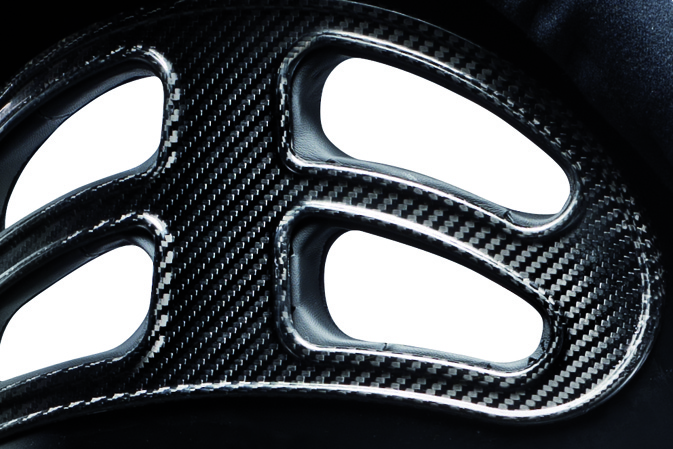
COOLING VENTILATION HOLES INTEGRATED IN BACKREST
External temperature and driving conditions of the driver are one of the critical areas in which FIA is working to improve safety of crews.
The back, in the lumbar area in contact with the seat is even more complex. It is thanks to ergonomic studies made for OEM that we tested a solution that includes seatback holes allowing for hot air exchange to improve driver and co-driver cooling.
Starting price = $1,222.00
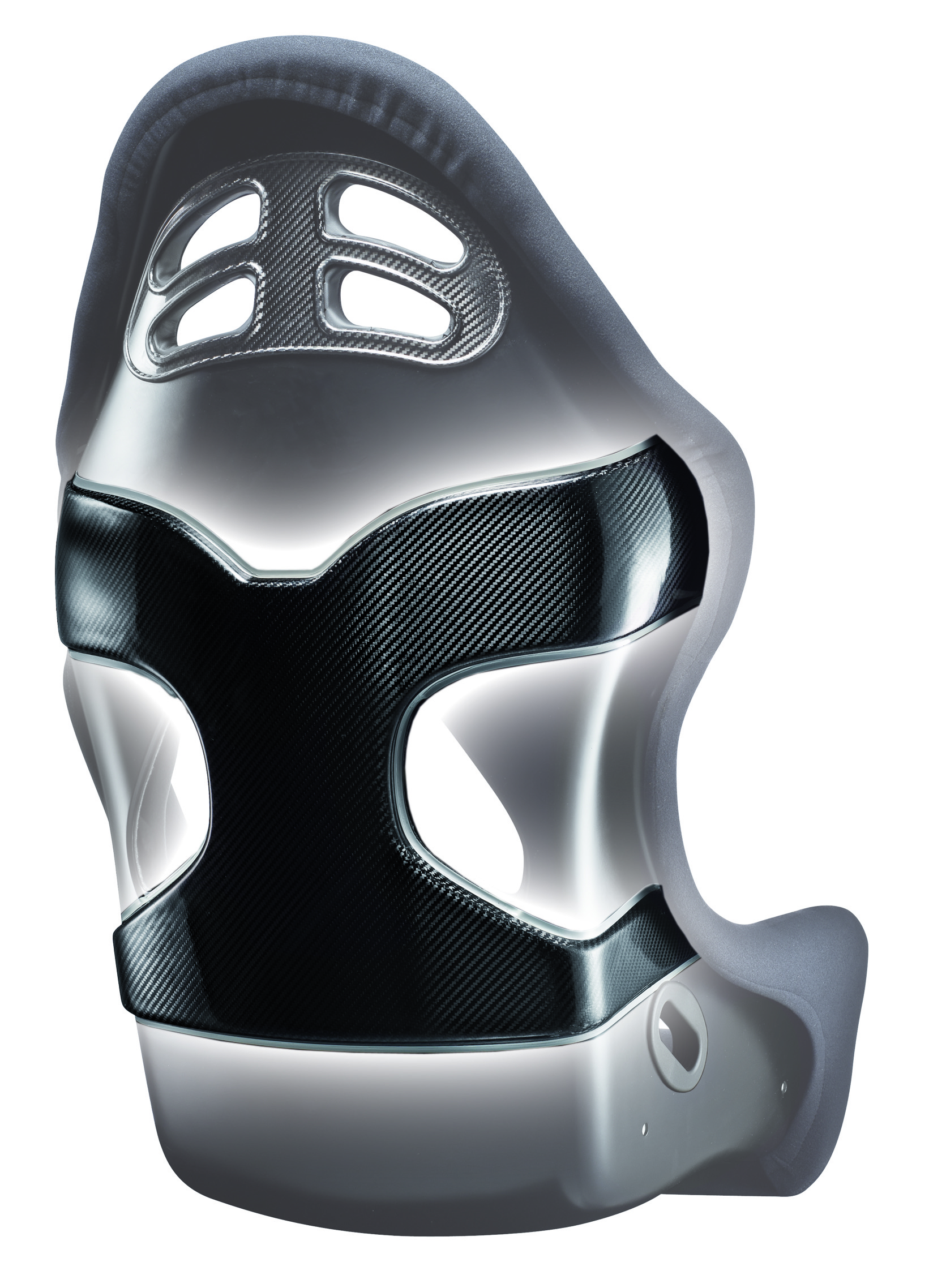
HCF (Hybrid Carbon Frame)
Double harness slots

Rear shot of the cooling slots in the lumbar area.
Olsen Motorsports with their GT-200 race seats in their 2015 WRX STi.


One of the top teams participating in the FIA WEC series is Larbre Competition, one of the only teams in the world racing with the Corvette platform as a non factory effort in the top level of professional motorsport. For 2015, Larbre Competition is racing a C7.R in the FIA WEC series.
The FIA World Endurance Championship (WEC) is starting to become the leading series by many car manufacturers and their technical partners to showcase new technologies in the LMP (Le Man Prototype) & GT (Grand Touring) Classes. The FIA WEC features endurance races (6 hour races and the 24 hours of Le Mans) and is a global series racing at challenging circuits in the United States, Europe, Asia and the Middle East. Stiff competition between factory run and private customer teams in all the various classes means teams choose to work with only the best technical partners to have the most competitive advantage.
Larbre Competition won class honors with a Corvette C6.R at the 24 hours of Le-Mans in 2012 using Brembo Racing RB340 brake pads. Larbre Competition also finished the 2012 Le Mans 24 hour race without changing brake pads or loss of performance through the race.
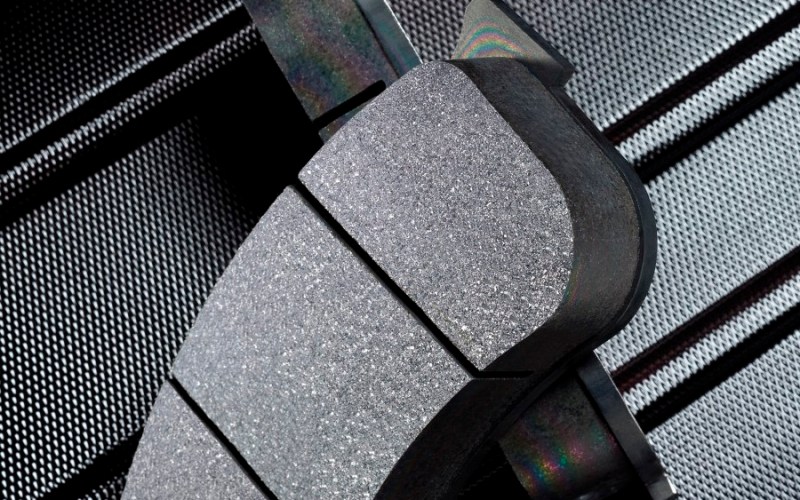
Brembo’s RB340 material is unique in construction and the optimal performance is dictated by the energy of the brake system, not so much the disc or pad direct running temperature. This means the material offers excellent wear resistance, high initial bite, stable friction levels (the performance does not degrade as much at elevated temperatures) and good modulation in a wide range of conditions. The combination of wear resistance and high initial attack means the driver does not need to push the brake pedal as hard to achieve the same stopping power. This is easier on the driver and means a common material can be potentially used for long and short races.
Brake pads and fluid are two very small things that make a huge difference that most people overlook. Pads and fluid help fine tune brake system characteristics like initial response, fade resistance, and pedal consistency. For an endurance race such as a 24 hour race, one of the many critical factors is the wear resistance of friction materials to avoid doing brake pad or rotor changes as this can cost valuable time in the pits. If changing pads or brake discs can be avoided altogether, this is the most ideal scenario.
Photo: Brembo Racing, John Dagys/Sportscar365


 Brembo Performance and Brembo Racing